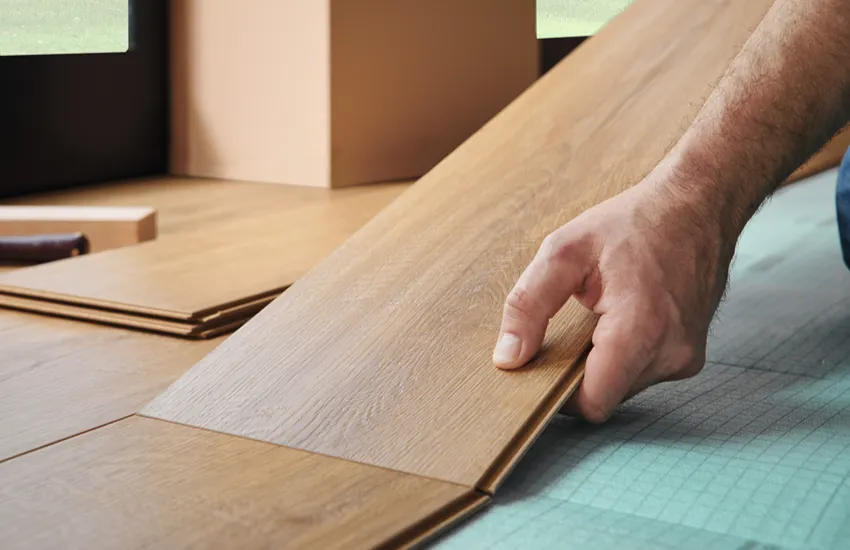
Choosing the right flooring involves more than picking a colour or pattern. You need a surface that suits your daily routine, handles regular foot traffic, complements your interior and fits your maintenance expectations. If you are exploring SPC flooring in Dubai, consider factors such as thickness, wear layer, core construction and surface finish before making a purchase. SPC flooring offers a practical option for homeowners who want the appearance of wood or stone with a rigid vinyl construction. However, SPC products differ in thickness, wear layer, core construction, surface finish and installation requirements. Understanding these features helps you compare products and select flooring that suits each room in your home. Here are the key factors to consider before buying SPC flooring.
1. Understand the Different Features of SPC Flooring
SPC stands for Stone Plastic Composite or Stone Polymer Composite. It is a rigid-core vinyl flooring made with a mineral-based core, PVC and stabilising additives. Its layered construction gives the planks a firm structure and a surface designed for everyday residential use. Most SPC flooring products include these layers:
- UV coating: Provides a protective finish and helps maintain the surface appearance.
- Wear layer: Protects the decorative surface from everyday abrasion and scuffing.
- Decorative film: Creates the appearance of natural wood, stone, marble or other materials.
- SPC core: Provides rigidity and dimensional stability.
- Attached underlay: Some products include a backing layer to support comfort and sound absorption.
Before comparing designs, review the product specification sheet. Check the total thickness, wear layer measurement, core construction and backing material. These details give you a clearer picture of what you are buying than appearance alone.
2. Choose the Right SPC Flooring Thickness
SPC flooring comes in different thicknesses. The right option depends on the subfloor, room requirements, installation height and product construction. Common thickness categories include:
| SPC Thickness | Typical Considerations |
|---|---|
| 3–4 mm | Lower floor-height requirements and suitable subfloor conditions |
| 4–5 mm | Common residential flooring options |
| 5–6 mm | Options for homeowners who prefer a thicker plank construction |
| 6 mm and above | Project-specific requirements and product specifications need checking |
A thicker plank does not automatically mean better flooring. The quality of the core, locking mechanism and wear layer also matters. For example, a 5 mm SPC plank with a suitable wear layer and well-designed locking joints might offer better overall value than a thicker product with weaker construction. Also check whether the quoted thickness includes an attached underlay. Compare the actual plank thickness and total installed thickness separately.
3. Check the Wear Layer Before Buying
The wear layer is the transparent protective coating above the decorative film. It helps protect the printed design from daily foot traffic, scuffs and surface abrasion. Manufacturers often specify wear layers in millimetres or mils. Here are two common reference measurements:
- 0.3 mm: A common starting point for standard residential applications.
- 0.5 mm: An option worth considering for busy homes and areas with more frequent foot traffic.
Your choice should reflect how you use each room. For example, a bedroom with limited daily traffic has different requirements from a living room where children, pets and visitors regularly move around. Ask the supplier to confirm the wear layer measurement on the exact product you intend to purchase. Do not confuse the wear layer with the total flooring thickness.
4. Consider the Core Quality and Construction
The SPC core gives the flooring its rigid structure. Its composition and manufacturing quality influence how the planks perform after installation. When comparing products, pay attention to:
- Core composition and density, where specified.
- Consistency of plank thickness.
- Strength and precision of the click-lock edges.
- Resistance to everyday impact and indentation.
- Product testing and manufacturer documentation.
The locking system deserves particular attention. Poorly manufactured joints might create gaps, uneven connections or installation difficulties. Ask to see two or three assembled planks before making your decision. Check whether the edges connect evenly and whether the joints remain secure when the sample is handled. You should also remember that rigid SPC flooring does not correct an uneven subfloor. Proper preparation remains essential for a stable installation.
5. Select a Design That Matches Your Interior
SPC flooring comes in a wide range of wood-look, stone-effect and decorative finishes. Choose a design that complements your furniture, wall colours, lighting and overall interior style. Consider these popular design options:
Wood-Look SPC Flooring
Wood-look SPC recreates the appearance of natural timber. Oak, walnut, ash and other wood-inspired finishes suit living rooms, bedrooms and open-plan interiors. Light oak shades work well with neutral walls and contemporary furniture. Darker walnut finishes create a stronger visual contrast with lighter interiors.
Stone-Effect SPC Flooring
Stone-effect designs reproduce the appearance of marble, concrete and other natural stone surfaces. They suit modern interiors, kitchens and open living spaces. Grey and beige finishes offer neutral styling options, while darker stone patterns create a more defined appearance.
SPC Herringbone Flooring
Herringbone flooring uses rectangular planks arranged in an alternating V-shaped pattern. It adds visual detail to living rooms, hallways and formal spaces. Check the manufacturer’s installation instructions before selecting a patterned product. Herringbone designs require suitable plank profiles and careful layout planning.
SPC Tile Flooring
SPC tile designs recreate the appearance of ceramic, marble or stone tiles. They offer another design option for homeowners who prefer a tiled appearance with a rigid vinyl construction. Before choosing a finish, request physical samples. Check each sample under your home’s natural and artificial lighting. Screen images and showroom lighting might show colours differently from your actual room.
6. Choose SPC Flooring According to Room Requirements
Different rooms have different flooring requirements. Consider foot traffic, moisture exposure, cleaning routines and furniture placement before selecting a product.
| Room | What to Consider |
|---|---|
| Living room | Wear layer, design, surface finish and daily foot traffic |
| Bedroom | Comfort, appearance and sound underfoot |
| Kitchen | Water resistance, cleaning requirements and surface texture |
| Bathroom | Product approval for the specific installation environment and slip performance |
| Hallway | Wear layer, abrasion resistance and regular foot traffic |
| Dining room | Resistance to everyday spills, furniture movement and cleaning |
SPC flooring has a waterproof core, which makes it suitable for many moisture-prone interior applications. However, waterproof planks do not automatically make the entire installed floor waterproof. Water can still reach the subfloor through expansion gaps, perimeter edges and poorly sealed transitions. Follow the manufacturer’s instructions for wet-area suitability and installation.
7. Check the Underlay and Sound Insulation
Underlay affects how your SPC flooring feels and sounds underfoot. Some products include an attached backing, while others require a separate underlay if the manufacturer permits one. Before buying, check:
- Whether the flooring has an integrated underlay.
- The backing material and thickness.
- Whether an additional underlay is permitted.
- The manufacturer’s acoustic performance information.
- Compatibility with the existing subfloor.
An attached IXPE or EVA backing is available on some SPC products. It helps provide cushioning and supports sound reduction, although actual acoustic performance depends on the complete floor assembly and the building structure. Avoid adding an extra underlay without checking the installation guidelines. An unsuitable backing might affect the locking joints or product warranty.
8. Consider Installation and Subfloor Preparation
Even good-quality SPC flooring needs proper installation. The condition of the existing floor affects how well the planks connect and perform. Before installation, check the following:
- The subfloor is clean and free from loose debris.
- The surface meets the manufacturer’s flatness requirements.
- Moisture levels fall within the product’s permitted limits.
- Cracks, loose sections and uneven areas receive appropriate treatment.
- Door clearance and floor transitions are measured.
- Expansion gaps follow the manufacturer’s installation instructions.
SPC flooring commonly uses a click-lock installation system. This allows compatible planks to connect without traditional full-surface adhesive installation. However, the installation method depends on the selected product and site conditions. Always follow the manufacturer’s technical instructions. Professional installation helps ensure accurate measurements, suitable subfloor preparation, correct plank alignment and neat finishing around walls and doorways.
9. Compare Warranty and Maintenance Requirements
A product warranty gives you information about the manufacturer’s coverage and conditions. Before purchasing, read the terms instead of relying on the warranty duration alone. Check whether the warranty covers:
- Wear layer performance.
- Manufacturing defects.
- Joint or locking-system defects.
- Residential or commercial use.
- Installation-related exclusions.
- Damage caused by unsuitable cleaning products or poor maintenance.
Also consider the daily care requirements. For routine cleaning, you should:
- Sweep or vacuum loose dust and dirt.
- Use a damp mop with a cleaner approved for the flooring.
- Wipe spills promptly.
- Place protective pads beneath furniture legs.
- Avoid abrasive cleaning tools.
- Use suitable entrance mats to reduce dirt and grit.
Follow the product manufacturer’s cleaning instructions to protect the surface finish.
10. Common Mistakes to Avoid When Buying SPC Flooring
A few purchasing mistakes lead to unnecessary costs and unsuitable flooring choices.
Choosing Only by Price
Two products might look similar but have different wear layers, core construction, backing and locking systems. Compare complete specifications rather than selecting the lowest quotation.
Assuming Thicker Flooring Is Always Better
Total thickness is only one specification. Review the wear layer, core quality and joint construction before deciding.
Ignoring the Subfloor
SPC flooring has a rigid core, but it still requires a suitable installation surface. Unevenness beneath the planks might affect the joints and finished appearance.
Selecting a Design Without Checking Samples
Colours and textures often look different under showroom lighting and natural daylight. Take samples home before confirming your selection.
Overlooking Warranty Conditions
A long warranty does not cover every type of damage. Read the exclusions and confirm whether the warranty applies to your intended residential use.
Final Checklist Before Choosing SPC Flooring
Before placing your order, review these points:
- Confirm the room requirements and expected foot traffic.
- Compare total thickness and wear layer separately.
- Check the core construction and click-lock system.
- Select a suitable wood-look, stone-effect or tile design.
- Review the attached underlay and acoustic specifications.
- Check subfloor preparation and installation requirements.
- Confirm warranty coverage and maintenance instructions.
- Calculate the required flooring quantity, including an appropriate allowance for cutting waste.
- Keep a few spare planks for future repairs.
- Make an Informed SPC Flooring Choice
The right SPC flooring depends on your home’s layout, daily use, interior style and installation conditions. Compare the technical specifications alongside the design, and request samples before making your final decision.